
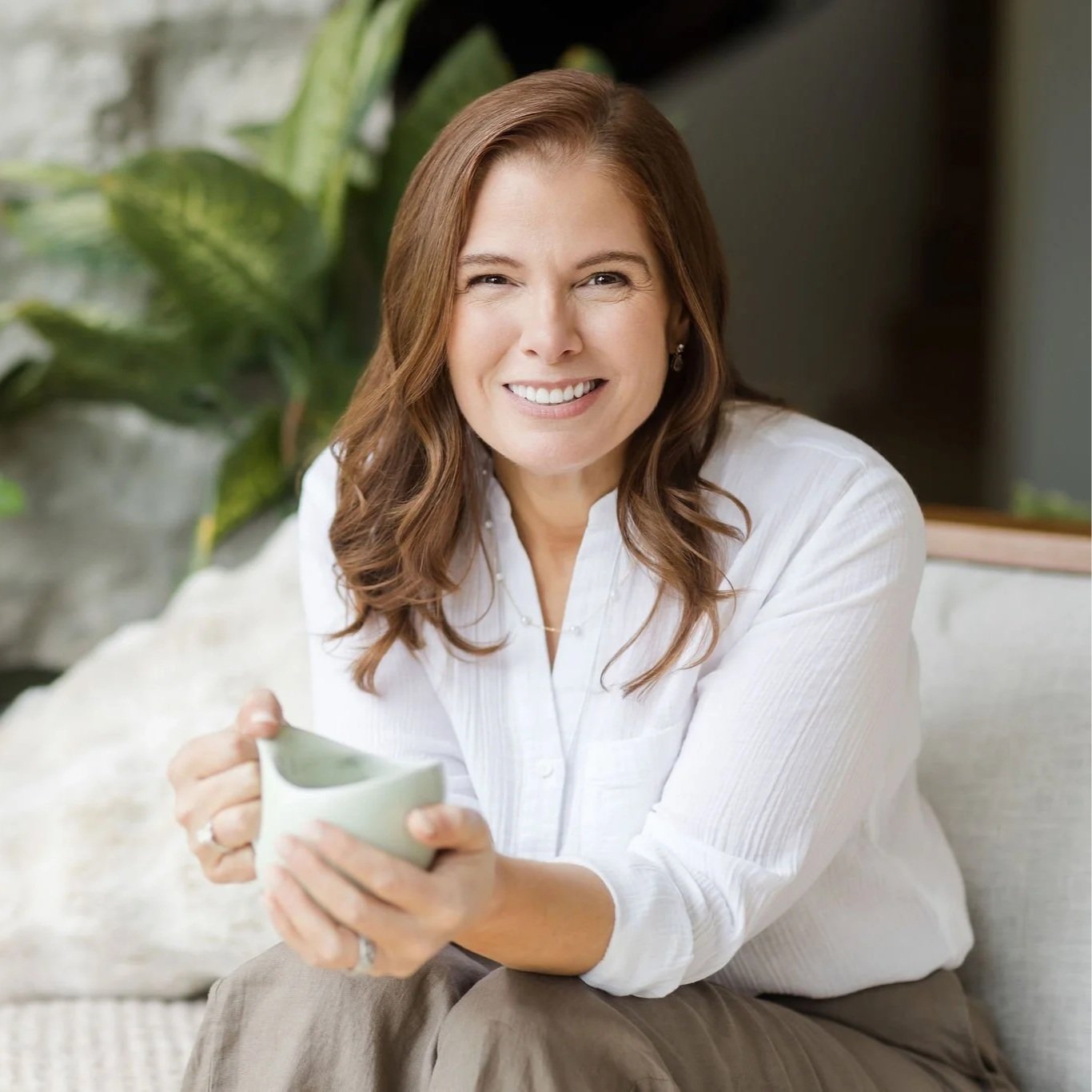
about dr. dana
I’m a clinician and author who’s spent a few decades exploring how to unlock the brain’s potential for transformative change.


For almost 30 years, I have been helping people restore their capacity to live authentically and with vitality.
I am a licensed clinical psychologist and Clinical Assistant Professor of Psychiatry and Behavioral Sciences at Northwestern University Feinberg School of Medicine. I am certified as both a therapist and supervisor of AEDP, a demanding treatment model grounded in affective neuroscience, interpersonal neurobiology, somatic psychology, traumatology, and research on memory reconsolidation. I care deeply about clinical effectiveness and offer advanced training and consultation to practitioners who want to refine their craft.
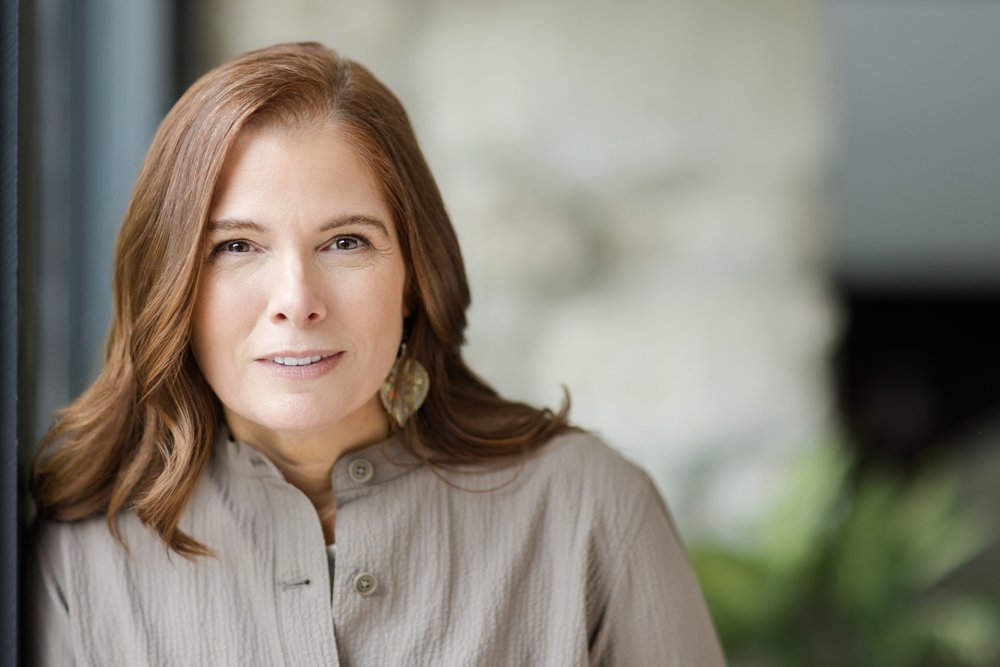
My academic background spans both law and psychology. I earned my B.A. from Columbia University in 1990, my J.D. from Cornell Law School in 1993, and my Ph.D. from Northwestern University in 1999. I then received a grant from the National Institute of Mental Health (NIMH) to complete a postdoctoral fellowship in mental health services research and policy studies.
This dual expertise allows me to approach my work through both a psychological and systemic lens, recognizing the ways in which societal structures and cultural narratives shape individual experiences of trauma and resilience. I continue this work by serving as a volunteer clinician at the Marjorie Kovler Center, where I provide care to survivors of war, terrorism, and politically sponsored torture.

I write about the neuroscience of connection and transformative change in my Substack newsletter. I am also awaiting the publication of my book, The End of Attachment, in March 2027. The book will be the first to map different forms of family distance using a scientific framework, weaving together research on attachment, emotion, and relationships.
It also introduces the concept of Posttraumatic Family Estrangement (PTFE), a term I coined to describe a type of family distance that can emerge in the wake of intergenerational relational trauma. It is a project close to my heart, shaped by decades of clinical work with people whose voices have been silenced in conversations about family distance.
In my clinical work, my consultation practice, and my writing, I continually return to the same central focus: helping people restore their innate capacity to feel deeply, love freely, and live fully.